Find a group that actually delivers
Explore cryptocurrency guides, Bitcoin, altcoins, blockchain, DeFi, Web3, crypto wallets, security, market trends, and the latest digital asset inform
Where the groups are
Four places people actually run signal groups. Pick one and see everything we have checked there.
Telegram
Where most real signal groups live. Public channels show live member counts.
Browse groups →Invite only groups, popular for regional forex and gold signals.
Browse groups →Discord
Servers with signal channels, chat rooms and live voice sessions.
Browse servers →YouTube
Channels posting live trade setups, analysis streams and recaps.
Browse channels →Everything, newest first
Crypto Scams and How to Stay Safe: A Beginner Guide

Crypto scams took over five billion dollars from normal people last year. You send coins to a web address, and they vanish forever. Nobody can reverse the transaction once it leaves your hands.
The short answer is simple: never share your secret seed phrase, never click strange links in private messages, and never trust anyone who promises free money. Real safety comes from slowing down when someone pushes you to act fast. If a deal sounds magical, walk away every single time.
Most beginners lose coins because crypto feels like magic internet cash. You click a button, numbers jump on a screen, and everything moves quickly. That speed helps scammers trick smart people who simply feel excited or rushed.
The Fake Giveaway Scam
You open a video app or social feed and see a famous billionaire. A live stream shows them talking on a stage about the future of money. Text on the bottom says you can send one coin right now and get two back.
It sounds silly when you say it out loud, but thousands fall for it each month. Scammers steal old video clips, set up a computer stream, and buy fake comments. The chat fills up with people claiming they just got their double payout. It looks real to someone who does not know how video theft works.
No real business doubles your cash for fun. If you drop a ten-dollar bill on the sidewalk, nobody runs up to hand you twenty. Crypto works the same way. The moment you transfer your tokens to that address, the thief washes them through multiple wallets.
A friend of mine sent fifty dollars worth of tokens to a fake stream during lunch last summer. He thought he found a secret launch event. Ten seconds later, the wallet address went dead and his money was gone. Once you sign a transaction on a public Blockchain, there is no phone number to call for a refund.

The Romance and Pig Butchering Trick
This trap starts with a wrong number text or a friendly direct message on an app. A polite person says hello and pretends they texted you by mistake. Then they keep talking, ask about your day, and act like a warm friend.
They take weeks to build real trust with you. They never mention money during the first ten days. You share photos of your pets, talk about your job, and laugh together. Then they casually mention that their uncle teaches them how to trade digital coins.
Soon, they show you screenshots of massive profits. They suggest you try putting in just one hundred dollars to test it out. They send you a link to a shiny trading platform that looks completely real.
You put in your hundred dollars, and the fake website shows your balance grow to two hundred. You can even withdraw fifty dollars back to your bank account to make you feel safe. That is the hook. The name pig butchering comes from the awful idea of feeding an animal before taking everything it has.
Once you believe it works, you put in thousands. You might even borrow cash from family. When you try to take the big pile out, the site blocks you. A fake customer support agent demands you pay a thirty percent tax fee first. You pay the fee, but your funds never arrive. The friendly person blocks your phone number forever.
Phishing Links and Fake Search Ads
Sometimes you do not talk to anyone at all. You simply use a search engine to find your favorite wallet or app. The very top link looks identical to your usual website, but the address has one tiny typo.
Thieves pay search engines to run ads above real search results. If you want to trade safely, review How Crypto Exchanges Work: A Beginner Guide to Buying Coins so you know what real logins look like. A fake site looks like the real exchange down to the exact logo and font.
When you type your password on that fake page, a script sends your login straight to the thief. If your account does not use two-step codes, the thief logs in within seconds. They dump your assets and buy privacy coins that cannot be tracked.
To avoid this, bookmark your exchange websites right now. Never click sponsored search results for financial tools. Type the address yourself or use your clean bookmark every single day.
Fake Support Agents on Discord and Telegram
Community chat rooms can be great fun, but danger hides in direct messages. You join a group to ask a simple question about your wallet. Within two minutes, three different people message you with names like Support Team or Help Desk.
They offer to fix your problem right away. They sound polite and send you a link to a form that asks for your twelve-word recovery phrase. The moment you type those words, they drain your wallet dry.
- Real company workers will never message you first in private.
- No real agent ever asks for your private recovery words.
- Turn off direct messages from strangers in your chat settings.
Why Are Crypto Scams So Common?
Traditional banks can freeze accounts when someone steals a credit card. If a thief takes your card and buys a television, the bank can cancel the charge and return your cash. The bank runs on private ledgers that humans can edit when crimes happen.
A real Cryptocurrency network does not work like a bank. Math and code run the whole network. The network does not know if a transfer came from you or from a thief who tricked you. It only checks if the secret key signed the transaction.
Because there is no central office, there is no manager to review police reports. The coins move across borders in two minutes flat. A scammer in another country can cash out before you even close your browser window. You can read more about basic tools on our crypto basics archive to keep your assets secure.
Five Rules to Keep Your Money Safe
You do not need to be a software genius to stay safe. You only need a strict set of personal rules that you never break, no matter how excited you feel.
First, protect your seed phrase like gold. When you set up a software wallet, it gives you twelve or twenty-four random words. Write those words on paper with a pen. Never take a photo of that paper, never save it in an email, and never store it in cloud storage. Anyone with those words owns your coins.
Second, buy a hardware wallet if you hold more money than you can afford to lose. A hardware wallet keeps your private keys inside a tiny physical chip. Even if your computer catches a virus, the thief cannot pull the keys out through the wire.
Third, use separate email addresses and strong passwords. If you use the same password for games and crypto, a leak on a gaming site gives thieves the keys to your exchange balance. Turn on app-based two-factor security, not text message codes, because thieves can clone phone numbers.
Fourth, take your time when sending coins. Send a tiny test amount first. If you want to move five hundred dollars, send five dollars first to make sure the address matches. Once the small test arrives, send the rest.
Fifth, learn to spot urgency. Scammers always tell you that you must act within five minutes. They tell you the price will explode or your account will close. Real opportunities wait for you to do proper research. Panic makes people stupid, so take a deep breath and close the tab when you feel rushed.
Crypto offers cool technology, but the wild nature of the space attracts bad actors who hunt for fresh faces. Staying safe does not take luck. It just takes patience, skepticism, and keeping your private keys offline. What is the one security step you will take today before opening your wallet again?
CONTENT:How Crypto Exchanges Work: A Beginner Guide to Buying Coins

Crypto exchanges work just like online stock markets, but they run around the clock to help you swap regular money for digital coins. You sign up, send some cash from your bank, and place an order to buy digital currency. Millions of people use these websites every day to trade everything from small coins to big names like Bitcoin.
At their core, these platforms are digital matchmakers. They take your order to buy and match it with someone else who wants to sell at that exact price. You do not buy your coins from the exchange itself most of the time. You buy them from another user on the platform, while the website handles the math and safe transfer in the background.
What Is a Crypto Exchange?
Think of a crypto exchange as a crowded farmers market. Farmers bring their apples to sell, and hungry shoppers walk in with cash. The market manager sets up the booths, checks that the scale works, and keeps out thieves. The manager does not own the apples, but they make the trade easy for everyone.
In the digital world, the exchange is that market manager. It builds a safe place on the web where buyer and seller can agree on a fair deal. If you want to spend 100 dollars on crypto, the platform finds a seller willing to part with 100 dollars worth of their coin.
Without these platforms, buying digital assets would be scary and slow. You would have to find a stranger online, send them money via a bank transfer, and pray they actually send the coin to your personal address. Exchanges remove that trust problem. They hold the cash and the coins until both sides fulfill their promise.
Today, you can choose between two main types of platforms. The most popular kind is a centralized exchange run by a single company. The other kind is a decentralized exchange run entirely by computer code. Most beginners start with the first type because it feels just like an online bank account.

How Trading Works Step by Step
Starting out on a central platform takes just a few steps. First, you create an account using your email address and a password. Next, the website will ask to see your real identity. This part can feel annoying, but government laws require it to stop financial crimes.
You will snap a clear picture of your driver's license or passport with your phone. You might also take a quick selfie to prove it is really you. Most big platforms approve your account in a few minutes if the pictures are clear. Once approved, you can connect your normal bank account or debit card.
Now you are ready to put money into your account. Here is how a simple trade goes down:
- You deposit 50 dollars from your bank account into your exchange wallet.
- You pick the coin you want to buy from a long list of choices.
- You click the buy button and choose a market order to buy instantly at the best current price.
- The system matches your order with a seller instantly.
- Your account balance updates to show your new coins, minus a small service fee.
The whole process takes less than a minute. You can track all these moves on the main dashboard, which looks like a simple bank statement mixed with a price chart.
How Do Exchanges Make Money?
Exchanges spend millions of dollars on fast servers, safe storage, and software code. They do not offer this service out of kindness. They charge small fees every single time cash or coins move through their system.
The main way they earn income is through a trading fee. When you buy 100 dollars worth of crypto, the platform might keep 50 cents and give you 99 dollars and 50 cents worth of coin. That sounds tiny, but when millions of trades happen every hour, those pennies add up to huge profits.
They also charge money when you move your coins off their site to your own private address. This is called a withdrawal fee. Some platforms add a small markup to the price of the coin itself. If the real market price of a coin is ten dollars, they might sell it to you for ten dollars and five cents.
Always check the fee schedule before you sign up. High fees can eat into your money very fast, especially if you buy small amounts every week. Some local areas are even changing how physical cash enters the crypto space. You can read about how Springfield City Council Plans Complete Ban on Crypto Kiosks to see how local rules affect how people buy coins in person.
Centralized vs Decentralized Exchanges
Understanding the two types of markets is vital for keeping your funds safe. Centralized platforms are run by normal companies with customer support teams, CEOs, and headquarters. Examples include big names you see on TV commercials. They are super easy to use, but they hold your funds for you.
Decentralized exchanges are completely different. They do not have a company behind them or a customer service number to call. Instead, they run entirely on open smart contracts built on a blockchain network. You connect your own private hardware or software wallet directly to the site to trade.
Here is how the two compare across key areas:
- Ease of use: Centralized sites let you reset your password if you forget it. Decentralized sites cannot help you if you lose access to your private keys.
- Payment methods: Centralized sites accept bank transfers and credit cards. Decentralized sites only accept trade between different digital coins.
- Privacy: Centralized sites require your full legal name and ID card. Decentralized sites let you trade anonymously without sharing your real identity.
- Control: On a centralized site, the company holds the master keys to your coins. On a decentralized site, you keep complete ownership of your coins at all times. >
If a centralized platform goes bankrupt or gets hacked, you might lose access to your money. This has happened to major platforms in the past, leaving users waiting years to get cash back. Learning about safe storage strategies on our crypto basics hub can help you avoid these traps.
Understanding Order Books and Price Charts
When you open an exchange app, the screen fills with flashing green and red numbers. This scary grid of numbers is called the order book. It is simply a real-time list of all the open buy orders and sell orders placed by traders around the globe.
Green numbers show buyers, often called bids. These people want to pay a bit less than the current market price. Red numbers show sellers, known as asks. These people hope to sell their coins for a slightly higher price. The market price you see on the front page is simply the last price where a buyer and seller agreed to make a deal.
You generally have two ways to place a buy order on these screens:
- Market Order: You buy right now at whatever price sellers are asking for. It happens in a fraction of a second, but you might pay slightly more if the market is moving fast.
- Limit Order: You set a strict price limit. You tell the system to buy only if the price drops to a specific level, like 90 dollars instead of 100 dollars. Your order sits in the order book until the market reaches your exact target.
For your first trade, a simple market order is usually fine. Just type in how much money you want to spend and hit the button. The software does the heavy lifting instantly behind the scenes.
Keeping Your Account Safe
Security is the most important part of using any financial site. Because trades cannot be undone, bad actors love targeting exchange accounts. If a hacker gets your password, they can send all your balance to their own address in seconds, and no bank can reverse it.
Start by picking a long, unique password that you do not use on any other website. Never save this password in a text file on your phone where malicious apps could read it. Use a password manager or write it down on a physical piece of paper stored somewhere safe in your home.
Next, turn on two-factor authentication right away. This adds a second lock to your front door. Every time you log in, the site asks for your password plus a temporary six-digit code. Use an authenticator app on your phone to generate this code, rather than text messages. Hackers can sometimes steal your phone number, but they cannot easily steal your physical phone.
Finally, remember that holding your assets on a platform carries real risks. If you plan to buy and hold coins for a long time, consider moving them to a private wallet where you hold the keys. Treat the exchange like a fast way to swap money, not a permanent bank vault for your life savings.
Which safety step will you set up on your account today?
Claude AI Predicts Bitcoin and Ethereum Price for 2030

Claude AI shared a new price prediction for Bitcoin and Ethereum for the year 2030. The artificial intelligence model looked at the two largest coins in crypto to see where their prices could go by the end of the decade. This new prediction from Yahoo Finance gives traders a look at long term targets for top digital assets.
What is the Claude AI Bitcoin and Ethereum price prediction for 2030?
The latest artificial intelligence forecast looks far ahead into the future of the crypto market. Claude AI mapped out potential values for both Bitcoin and Ethereum as the market grows over the next six years. Investors often look at these computer models to get an idea of where big coins might trade in the coming years.
These long term predictions help show how big tech tools view the future of digital money. While no computer model can see the future with total accuracy, many people follow these updates closely. The forecast highlights how AI tools parse market data to make long range calls on major coins.
Why do long term price targets matter for crypto investors?
Many people buy coins like Bitcoin and Ethereum with the plan to hold them for many years. Seeing a prediction for 2030 gives long term buyers a benchmark to think about as they build their portfolios. It helps normal readers decide if holding top assets for the long haul fits their financial goals.
Short term price movements in the market can often feel stressful and hard to track every single day. A target that looks years into the future helps people focus on the big picture instead of daily price changes. It allows regular traders to step back and look at overall growth trends over a longer period of time.
Key takeaways from the artificial intelligence forecast
Computer models use historical data and market patterns to project where coin prices might go over time. Here are the main reasons why people follow predictions from AI tools like Claude AI:
- Big Picture View: Focuses on where Bitcoin and Ethereum could end up by 2030 instead of daily drops.
- Major Coins Only: Targets the two safest and most established digital assets in the current market.
- Tech Powered Insights: Uses advanced software models to calculate future price scenarios for top tokens.
Checking these long term calls helps regular people stay informed about where big tech views the market. As artificial intelligence grows smarter, more investors use these reports to guide their long term strategies. Watching how these forecasts change over time is a great way to track market sentiment.
What should you watch next in the crypto market?
It is always smart to keep an eye on how real market prices compare to computer predictions over time. You should watch major news updates, adoption stats, and new tech changes for both Bitcoin and Ethereum. As the year 2030 gets closer, new data will show if these AI targets stay on track or need adjustments.
Remember that every price forecast is just an educated estimate based on available data today. The crypto market moves fast, and unpredictable events can always change the direction of token values. Staying updated on the news will help you make clear choices as the market moves toward 2030.
GainzAlgo - The Best Trading Algo
Community Overview and Stated Focus
GainzAlgo operates as a community on Discord centered on crypto signals and automated market tools. The server records a member count of 11998 users. This places it among medium to large trading groups on the platform. The subject matter centers on cryptocurrency market entries, exits, and market direction.
The creator describes the project as a world leading trading software provider helping traders navigate global markets with confidence. This statement presents the server as an established provider of algorithmic trading aids rather than just an informal discussion chat. Whether the server lives up to that description depends largely on the actual software performance, which prospective members must assess independently.
What Does the Server Post?
Because the public directory information identifies the primary subject as crypto signals, visitors can expect content revolving around cryptocurrency price movements. In standard algorithmic signal groups, this typically involves software indicators, algorithmic chart overlays, and trade alerts pointing out entry levels, stop loss thresholds, and profit targets.
The precise technical layout of these signals is not published in the official summary. It is not publicly stated whether the software integrates directly with charting tools such as TradingView, connects directly to exchange accounts through programming interfaces, or simply delivers textual alerts into specific channels. The exact market pairs tracked are also not published, leaving it unclear whether the alerts focus strictly on high volume assets like Bitcoin and Ethereum or extend to smaller alternative coins.
Posting Frequency and Activity Levels
The specific posting frequency of alerts inside the group is not published. Trading algorithms can be built to trigger several times an hour for intraday scalping, or they can trigger only a few times per week for higher timeframe swing trades. Because these operational schedules are not detailed in advance, new members cannot determine the alert volume before stepping inside.
With 11998 members registered, general discussion channels may see regular member conversation, but the server administration has not released data showing the proportion of active members compared to idle accounts. As with any trading community, alert frequency often varies with market volatility. High volatility often produces frequent indicator triggers, while quiet sideways periods may cause automated systems to produce fewer notifications.
Who This Server Might Suit
This server may appeal to individuals interested in studying how algorithmic tools approach the cryptocurrency markets. Traders who already have a basic understanding of risk management and chart technicals can use automated signals as secondary reference points rather than absolute instructions.
- Experienced traders seeking an additional technical filter to compare against their own independent market analysis.
- Traders who prefer rule based or automated approaches over emotional or discretionary decision making.
- Individuals looking to connect with a large community of nearly 12000 other market participants.
Who Should Stay Away
Automated software and trading signals carry significant risks, particularly in the cryptocurrency sector where price volatility can be extreme. Anyone expecting guaranteed profits or hands free wealth should look elsewhere. Algorithmic alerts can fail, experience drawdowns, and produce losing runs during unexpected market conditions.
- Complete beginners who do not understand order execution, stop losses, position sizing, or portfolio management.
- Anyone looking for passive income without doing any independent research or monitoring.
- Risk averse individuals who cannot afford financial losses on speculative trades.
- Traders expecting verified public track records or audited performance statements, as these are not published in the directory listing.
Important Risk Realities
Algorithmic software tools are only as good as the market environment allows. No indicator or script can forecast future price action with certainty. Market shifts, sudden liquidity drains, and global macroeconomic news events can easily invalidate automated technical triggers.
Relying completely on external alerts without understanding the reasoning behind each trade introduces severe capital risk. Any individual considering this server should remember that marketing descriptions highlighting confidence and leadership do not eliminate the reality of financial loss in digital asset trading.
Questions people ask
How many members are in the GainzAlgo Discord?
The server currently has 11998 registered members on Discord.
How often does GainzAlgo post crypto signals?
The exact posting frequency and daily alert count are not published. The schedule may depend on market conditions and the specific settings of the underlying software.
Does the server guarantee trading profits?
No. The server makes no guarantees, and trading cryptocurrencies using algorithmic signals involves substantial risk of capital loss.
What trading software does the group use?
The owner describes the group as a trading software provider helping traders navigate global markets, but the specific platforms, code, or charting integrations used are not publicly detailed.
Springfield City Council Plans Complete Ban on Crypto Kiosks
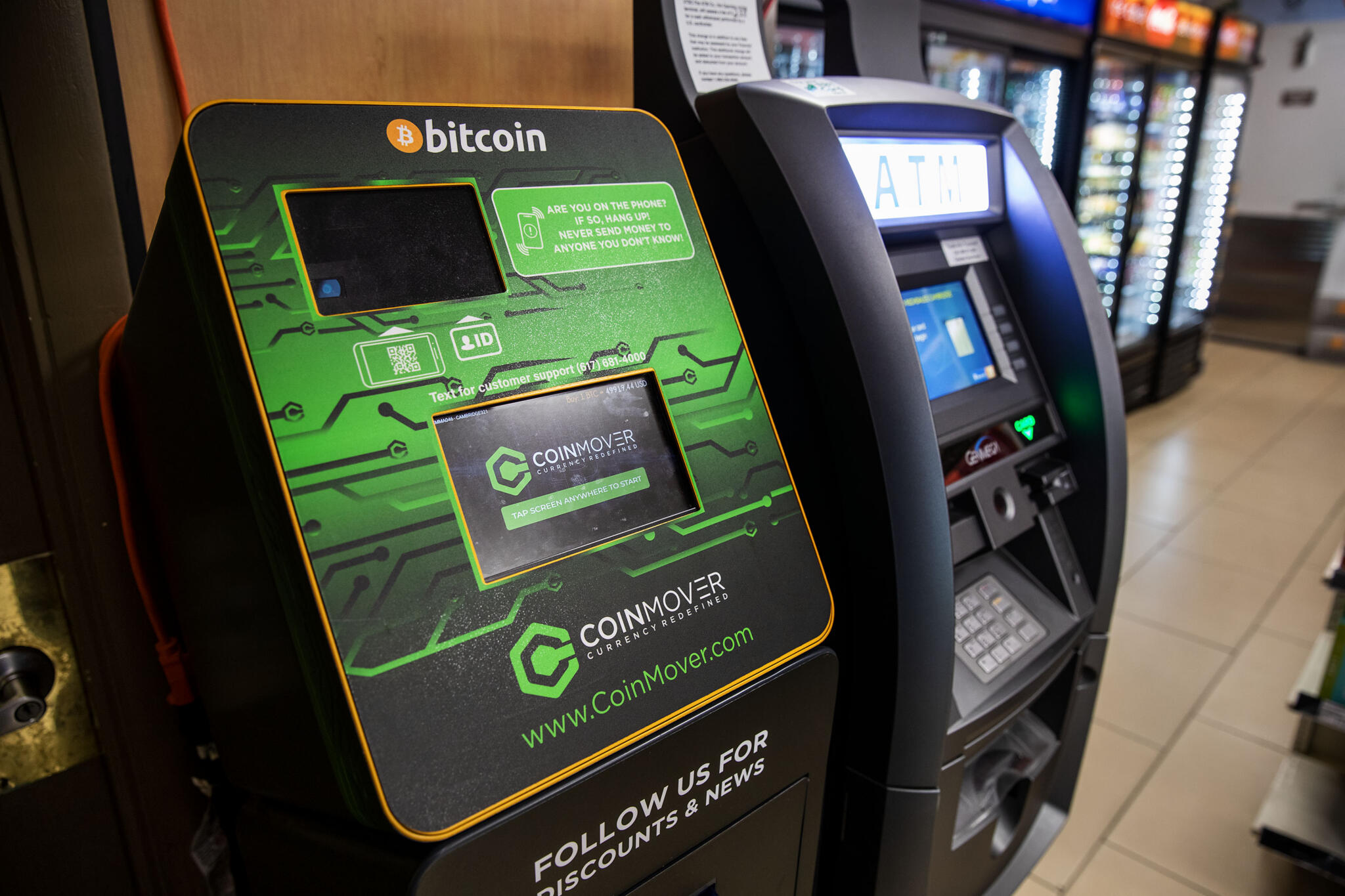
The Springfield City Council will soon vote on a plan to ban all cryptocurrency kiosks in the city. Leaders hope this strict ban will protect residents from losing money to scammers. If the rule passes, companies will have to remove their physical Bitcoin machines from local stores.
Why is Springfield proposing a ban on cryptocurrency kiosks?
City leaders in Springfield, Massachusetts are taking a strong stance against financial fraud. Local officials noticed a rise in criminals using these machines to steal money from vulnerable people. Scammers often tell victims to deposit cash directly into a kiosk to fix a fake problem.
By removing the machines, the city wants to create a big barrier for fraudsters. People will not be able to walk into a neighborhood store and send cash to an unknown wallet address. The council believes a total ban is the safest way to keep citizens safe from criminal rings.
How do cryptocurrency kiosks work and why are they risky?
A crypto kiosk looks just like a normal bank cash machine, but it connects directly to digital asset networks. Users feed physical cash into the slot to buy digital coins like Bitcoin. The machine then sends those coins straight to a digital wallet address typed into the screen.
These machines carry high risks because transactions happen almost instantly and nobody can reverse them. Once cash goes into the kiosk, the criminal receives the digital coins anywhere in the world. Victims rarely get their lost cash back from these quick transfers. Here are the main risks associated with these machines:
- Scammers use high pressure tactics to force victims to use cash kiosks.
- Transactions on crypto networks cannot be reversed by police or banks.
- Kiosks are often placed in convenience stores with little supervision.
What does this crypto ban mean for normal users?
If the city council passes this law, everyday consumers will lose physical access to digital coins in public stores. People will no longer be able to use cash to buy tokens at the corner shop. Anyone who wants to buy digital assets will have to use online exchanges through a mobile phone or bank account.
This change might inconvenience people who prefer using cash over traditional banks. However, lawmakers believe protecting the public from fraud is more important than convenience. Many city councils across the country are watching this decision closely to see if they should pass similar bans.
Largest Crypto Heist in History Was Avoidable
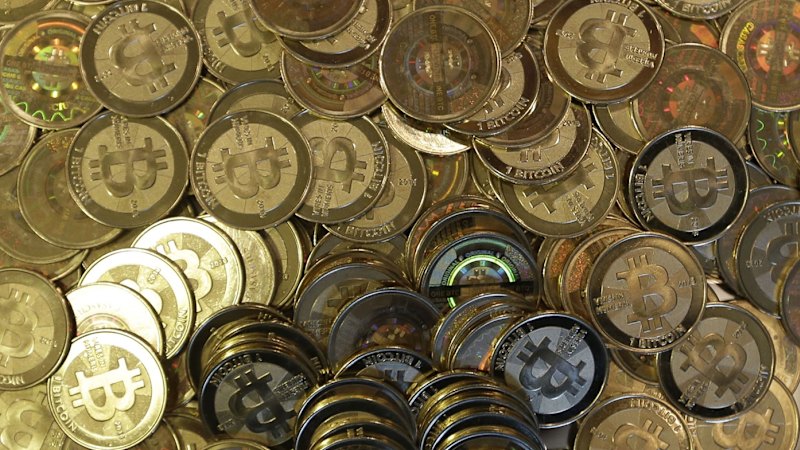
The largest crypto heist in history could have been avoided. Security experts at the Center for Strategic and International Studies, known as CSIS, released a report about the huge attack yesterday. They found that simple safety steps were missed before the record theft happened.
Why could the largest crypto heist in history have been avoided?
Experts from CSIS looked at how the huge theft took place. They found that basic security gaps allowed the hackers to get inside the network. Better safety tools and quicker responses to early warning signs would have stopped the breach completely.
Many people store their money online using modern digital tools. When big projects do not use strong safety checks, bad actors can find the open doors. This record attack shows that building better walls is necessary for every cryptocurrency platform online today.
What does this mean for ordinary crypto users?
Big news like this makes many everyday users worry about their own funds. When a huge platform loses millions of dollars, it hurts trust across the entire digital money space. Regular users often wonder if their own digital wallets are safe from similar attacks.
This report reminds everyone that safe storage is the most important part of owning digital coins. People who hold coins should pay close attention to the safety habits of the platforms they use every day. Here are a few key facts about this situation:
- The report comes from the Center for Strategic and International Studies.
- CSIS experts published these new findings yesterday.
- The study proves the massive attack was not impossible to stop.
- Stronger checks could have protected millions in digital funds.
How do hackers target digital money projects?
Hackers look for weak points in the code that runs online financial platforms. They spend months searching for small mistakes made by the team that built the software. Once they find a gap, they move quickly to take the money before anyone notices.
Understanding these attacks helps the whole industry fight against cryptocurrency and crime. When safety teams share what went wrong, other companies can fix the same mistakes in their own systems. Learning from past errors is the best way to prevent the next big attack.
What happens next in the world of online security?
Security teams around the globe will study this new CSIS report very carefully. They want to make sure their own systems do not share the same weak points that led to this record heist. Building stronger security takes time, but it is necessary for the future of digital money.
Governments and safety groups will keep watching these big platforms closely. Readers should look out for new safety rules and better security tools in the coming months. Staying safe online requires constant work from both the platforms and the people who use them.
How Crypto Exchanges Work: A Simple Guide for Beginners
Crypto exchanges process billions of dollars in trades every single day, yet most people who use them have no idea what happens behind the screen. You click a green button to buy a coin, and two seconds later it shows up in your account. It feels like magic, but it is really just a digital marketplace matching buyers with sellers.
A crypto exchange is a company that helps you trade regular cash like US dollars for digital money like Bitcoin. Think of it like a giant online stock market, but for coins, running all day and all night without ever closing. Understanding how these sites handle your money is the best way to protect yourself from costly mistakes.
What is a crypto exchange and what does it do?
At its core, a crypto exchange is just a middleman. Imagine you have a fresh apple and your friend has a orange, and you both want to swap. If your friend lives across the ocean, you need a safe place to meet and make that trade. The exchange acts as that meeting spot, holding the goods until both sides agree.
When you sign up, you open an account and deposit some cash from your regular bank. The company keeps track of your balance on a computer screen. When you want to buy Bitcoin, you do not buy it directly from the exchange itself. Instead, the site pairs your cash with another user who wants to turn their Bitcoin into cash.
For this matching service, the platform charges a small fee on every trade. This fee is usually a tiny slice of your trade, often less than one percent. For example, if you trade $100 worth of coin, the site might keep 25 cents for doing the work. That tiny fee is how these companies make millions of dollars every month.

How trading works step by step
Trading coins might look hard with all those flashing charts, but the actual steps are basic. You place an order, the exchange matches it, and the funds swap places. Here is how that process flows from start to finish.
First, you pick the type of order you want to make. The easiest choice is a market order. This tells the system to buy your coins right now at whatever price is ready. If Bitcoin costs $60,000 this second, you pay $60,000 and get your coin right away.
The second main choice is a limit order. This lets you set your own price tag and wait. If Bitcoin costs $60,000 today, but you only want to pay $55,000, you set a limit order. Your money sits in line until the price drops to your target, or it cancels if the price never gets there.
Once you click the button, your trade hits the exchange order book. This is a big live list of all the buy orders and sell orders from people around the globe. The system compares the numbers faster than a blink. When a buyer and seller agree on a price, the deal is done, and both accounts update.
Centralized versus decentralized exchanges
Not all crypto exchanges run the same way. The two main types are centralized platforms and decentralized platforms, and they work in completely different ways.
Centralized platforms are owned by single private companies. Coinbase and Binance are two famous examples. They feel just like online bank accounts, complete with customer support, password resets, and easy app layouts. If you lose your password, their team can help you get back into your account.
The downside to these company-run sites is control. You do not hold the secret digital keys to your coins while they sit on the exchange. The company holds them for you. If the exchange goes bankrupt or gets hacked, your money could vanish overnight, which is a real risk every trader faces.
Decentralized platforms work without a company or a boss in charge. They use automated computer programs on a Blockchain network to swap coins directly between user wallets. Nobody holds your funds for you, and there is no support team to email if you make a mistake. They take more technical skill to use, but they give you total control of your own cash.
The hidden risks of keeping money on an exchange
It is easy to think of a major crypto exchange as a safe bank, but that is a dangerous mistake. Regular bank accounts in many countries are insured by the government, meaning if the bank fails, you get your money back. Crypto exchange balances rarely have that kind of safety net.
When you leave your coins on an exchange, you are trusting a private business to guard your wealth. History shows that even huge companies can fail or run off with user money. If a platform locks its doors, users are often left waiting for years in legal courts just to get pennies back on their dollar.
Hacks are another continuous problem in the industry. Criminals constantly attack these websites because thousands of coins are sitting in one place. Even well-funded security teams can fall victim to clever attacks. Reading about the FBI Recovers $1.2 Billion in Stolen Binance Crypto incident shows just how massive these safety breaches can be, even for the biggest names in the business.
To stay safe, smart beginners only use an exchange to trade, not to store their savings. Once you buy your coins, you can send them to a private wallet where you hold the master passwords yourself. That way, even if the exchange closes down tomorrow, your digital coins remain safe in your hands.
How exchanges move real money and set prices
Have you ever wondered why coin prices are slightly different on different websites? Or how cash moves from your real bank account into a digital token? It all comes down to liquidity and local trading activity.
An exchange does not pick the price of a coin. The users on that specific website create the price through their bids and offers. If buyers on one app are eager and willing to pay more, the price on that single site inches higher than on others. Automatic trading tools quickly buy on the cheap site and sell on the expensive one until the numbers line up again.
To accept real money like cash, exchanges connect with traditional payment networks. This is often called a fiat gateway, named after real government currencies. They partner with real banks to accept wire transfers, debit cards, or direct bank deposits. Setting up this link requires users to prove who they are by showing a photo ID and proof of address.
This identity check process is called Know Your Customer, or KYC for short. Governments require exchanges to collect this data to stop money laundering and tax fraud. While it takes extra time during signup, it is standard for any real platform handling government cash.
How to pick your first crypto exchange
With hundreds of sites offering trading services, picking your first platform can feel overwhelming. You do not need to rush this choice. Taking an hour to check a few basic safety signs can save you from huge headaches later.
Look closely at the security features offered by the platform. Does it force you to use two-factor checks on your phone every time you log in? Does it keep most user funds in offline cold storage away from the internet? A good exchange makes safety mandatory, not optional.
Next, look at the fee list on their website. Some beginner-friendly apps hide high costs inside the trade price, charging you two or three percent without showing a clear bill. Look for platforms that clearly state their fees upfront before you confirm any trade. You can read our full anchor text about the topic to learn more about keeping your trading costs low.
Check where the business is registered and if it serves your specific country or state. A platform that obeys local laws and publishes regular security audits is far safer than a mystery website operating from an unknown island. Start with a small trade of $10 or $20 first to test how easy the withdrawal process works before putting in larger amounts.
Crypto exchanges are powerful tools that open the door to digital coins, but they are tools, not long-term storage vaults. Use them to make your trades, learn how the order books work, and move your money to your own safe wallet when you are done. What is the very first coin you plan to look up once your account is ready?
FBI Recovers $1.2 Billion in Stolen Binance Crypto

The FBI says it has recovered $1.2 billion worth of cryptocurrency stolen from Binance. Federal agents tracked down the missing money after a major exchange attack. This massive recovery marks one of the biggest law enforcement actions in crypto history.
What is the FBI Binance cryptocurrency recovery?
The FBI reported that it successfully found and secured $1.2 billion in digital coins. These funds were previously taken from Binance in a huge attack on the exchange. Federal investigators worked to track the stolen assets across digital wallets to get them back.
Recovering this much money shows how federal agencies are getting better at tracking digital funds. When bad actors steal cryptocurrency, they try to move it quickly to hide their tracks. FBI agents used advanced tools to follow the money and seize the stolen funds from the thieves.
How federal agents trace online theft
Stopping digital crime takes a lot of time and effort from law enforcement agencies. Officials monitor public blockchain ledgers to see where stolen coins move after a hack. This work helps police identify the people holding the stolen assets.
Fighting cryptocurrency and crime has become a major focus for global law enforcement teams. When stolen funds enter controlled platforms, federal agents can freeze those accounts. This process allows the FBI to take back millions or even billions of dollars in stolen assets.
Key facts about the Binance funds recovery
This huge recovery is a massive win for users who lose money in big exchange hacks. It shows that stolen funds are not gone forever when law enforcement gets involved. Here are the main facts about this massive news story:
- The FBI recovered $1.2 billion in stolen digital assets.
- The cryptocurrency was originally stolen from the Binance platform.
- Federal agents tracked the funds across the internet to get them back.
This event sends a strong message to hackers who target large exchanges. Law enforcement can track digital coins across the globe and take them back. Users can feel a bit safer knowing that federal agencies are actively hunting down stolen funds.
What happens next for stolen crypto funds
The next step is returning the recovered funds to their rightful owners. Federal officials must verify where the coins came from before giving them back. This process can take time, but the money is now safe from the original thieves.
People who use digital exchanges should watch how this case ends. Recovering $1.2 billion sets a clear example for future investigations into online theft. More law enforcement agencies will likely use these same steps to track down stolen funds in the future.
Why Crypto Prices Go Up and Down So Quickly

Crypto prices go up and down like a wild ride at an amusement park. One morning your coins are worth fifty dollars, and by dinner time they might drop to thirty. This fast jumping around happens because crypto is still young, trades all day long, and relies on simple human feelings.
The short answer is supply and demand. When more people want to buy a coin than sell it, the price goes up. When lots of people try to sell at the same time, the price drops. Since there are no bank rules to slow things down, these price shifts happen in seconds.
How Supply and Demand Change Crypto Prices
Every price tag on a digital coin comes down to a simple balance. Think of a rare toy at a local store. If ten kids want the toy but the store only has one, the price goes high. If the store has a hundred toys and no kids want them, the store cuts the price to clear the shelves.
Crypto works the exact same way every minute of the day. Thousands of buyers and sellers meet on online markets to swap coins. If a famous tech leader says a coin is great, a rush of new buyers show up. They bid against each other, pushing the price higher. If the hype dies down, buyers walk away, and sellers must drop their prices to find someone willing to take the coins.
Unlike old stock markets, digital coins trade non-stop. Stock markets in New York or London close at night and rest on weekends. Crypto markets never sleep. A big trade in Tokyo at three in the morning can trigger a chain reaction in London five minutes later. With no breaks to calm people down, prices move much faster than standard money ever does.

Fear and Greed Move the Market Fast
Human feelings drive money decisions more than most people like to admit. In the world of cryptocurrency, these feelings act like super fuel. Two main emotions rule the day: fear of missing out, and panic when things fall.
Imagine seeing your friend make a hundred dollars in two days off a new coin. You might feel a sting of envy. You jump in and buy some too, even if you do not know how the coin works. Thousands of people doing this at once create a price bubble. The price shoots up not because the coin got better, but because everyone wants a piece of the action.
Then comes the reverse reaction. The price dips just a little bit. A few nervous owners sell their coins to save their cash. Other people see those sales, get scared, and dump their coins too. Within an hour, a tiny dip turns into a giant crash. Panic spreads like wildfire because everyone can watch the live price charts on their phones all day long.
Big News Stories and Government Rules
Outside news can change the direction of crypto prices in seconds. A single headline about a new law or a big bank can send shockwaves through the market. Investors read the news and try to act before anyone else.
Good news acts like an engine. If a major shop announces it will take a coin for payments, people feel safe buying it. The idea that a coin is useful makes it more valuable to everyday shoppers. For example, when big investment companies got permission to hold Bitcoin in 2024, the price hit new highs because millions of regular bank users could finally buy in through their normal accounts.
Bad news has the opposite force. If a government says it might ban coin trading, owners worry they will lose their funds. They rush to sell their holdings for normal cash. Even a rumor about strict new tax rules can make big buyers freeze. They pull their cash out to wait until the dust settles, leaving fewer buyers in the market.
Why Big Crypto Holders Change Everything
In the coin world, some people hold massive amounts of a single token. Regular traders call these big accounts whales. A whale might own tens of millions of dollars in one coin, while you or I might only own fifty bucks.
When a whale makes a move, the whole market feels it. Imagine a small swimming pool. If you jump in, the water barely ripples. If an elephant jumps in, half the water splashes out onto the grass. That is what happens when a whale decides to sell thousands of coins at once.
To pull out their cash, a whale has to fill every buy order sitting on the market. They exhaust all the high buy offers instantly. The market has to clear lower and lower offers just to finish the big trade. Regular buyers wake up, see a massive red line on the chart, and wonder what went wrong. Half the time, nothing went wrong with the project itself. A single big holder just wanted to buy a house or pay a tax bill.
Small Coins and Low Liquidity Dangers
Not all digital coins act the same way. The top coins have billions of dollars moving through them every single day. Smaller, newer coins have very little money flowing through their systems. This brings us to a simple word called liquidity.
Liquidity just means how easy it is to trade your coin for real cash without changing the price tag. High liquidity means lots of buyers and sellers are waiting in line. Low liquidity means only a few people are standing around. If you want to dive deeper into storing your funds safely once you hold them, check out How a Crypto Wallet Works to Keep Your Digital Coins Safe for clear setup steps.
Here is how low liquidity causes wild price jumps. Imagine a coin named TinyCoin. Only five people in the world are trying to sell it right now. If you go in with five hundred dollars to buy TinyCoin, you might buy out all five sellers. To get you the rest of your order, the exchange sets a much higher price for the next batch. You just drove the price up twenty percent all by yourself. The same thing works in reverse when you try to leave. If no one wants to buy, you might have to take half price just to get your money back out.
How Use Makes Spikes and Crashes Worse
Some traders use special tools to bet with borrowed money. This trick is called trading on use. It acts like an amplifier on a guitar amplifier, making every small move ten times louder.
Imagine you have ten dollars. A trading site lets you borrow ninety more dollars, so you can make a hundred dollar trade. If your coin goes up by five percent, you make a great return on your ten dollars. But if the coin drops by just five percent, your original ten dollars is totally gone. The trading system steps in and sells your coins automatically to pay back the borrowed ninety dollars.
These automatic sales happen in huge clusters called liquidations. If a price drops just two percent, it hits the safety stop for thousands of use traders. The computer system instantly dumps all their coins onto the market at once. That sudden wave of forced selling pushes the price down further. It triggers the next level of safety stops, creating a domino effect. A small two percent drop turns into a sudden fifteen percent crash in three minutes flat.
Is Crypto Risk Right for Your Money?
Understanding these price jumps is the best way to keep your head cool. Crypto is not like a standard savings account at your local town bank. Your bank account has insurance and stays smooth, while digital assets move around like ocean waves during a storm.
If you ever want to check out our beginner guides to understand these digital assets better, you can explore the crypto basics hub on our site anytime. Never put in cash you need for rent, groceries, or monthly bills next week. Smart beginners start very small, watch how the market moves, and learn to keep their cool when the red numbers show up on the screen.
Prices move quickly, but knowledge moves at your own pace. Have you ever seen a coin price jump so fast it made your head spin?
Best Crypto Apps for Beginners Revealed by Bitcoin Foundation

The Bitcoin Foundation has shared its list of the best crypto apps for beginners. Starting out with digital money can feel very hard for new buyers. This fresh advice helps people pick simple and safe tools to buy their first coins.
What is the best crypto app for beginners?
Many people who are new to digital money ask this exact question every day. The Bitcoin Foundation wants to make the answer easy for everyone. Beginners need simple screens, clear button choices, and strong security features when they trade. Using a good app stops you from sending your money to the wrong place by mistake.
A great beginner app lets you connect your bank account in just a few clicks. It shows the prices of coins clearly without confusing charts. New buyers can start small and learn how buying and selling works without taking huge risks. Choosing the right tool makes your first step into money tech much safer.
Why beginner crypto apps matter so much today
Getting into cryptocurrency can feel overwhelming if you use tools made for professionals. Advanced apps have too many numbers, lines, and complex buttons on the screen. Beginners who use those tools often make big mistakes that cost them real money. Simple apps keep things safe and clean so anyone can learn.
The Bitcoin Foundation knows that more everyday people want to own digital coins now. When apps are easy to use, regular people feel ready to try them out. Good apps also teach users how to keep their account keys safe from online thieves. Strong security is the most important part of any app you pick.
Key features to look for in a simple app
Before you download any new program to your phone, you should check what it offers. The right choices will make your buying journey smooth and stress-free. Here are the main things every beginner needs in an app:
- Clear and simple main screen with easy buttons
- Strong security steps like phone text codes
- Low fees when you buy or sell your coins
- Helpful customer service that answers fast
You can also check a trusted cryptocurrency exchange to see how different platforms compare. Reading clear reviews helps you avoid bad software that charges hidden fees. Taking a few minutes to check these features saves you money later on.
What to do next before buying your first coins
If you want to try buying coins, start by picking one trusted app from the list. Download it directly from the official store on your phone so you do not get a fake copy. Take your time to fill out your profile details and set up your security codes first.
Never rush to put a lot of cash into an app on your first day. Start with a tiny amount of money that you do not mind losing while you practice. As you get comfortable with the buttons, you can learn more about how digital money works. Watch for more updates as new apps come out to help beginners.
Selected Ones
Community Overview
Selected Ones is an online community hosted on the Discord platform. The group is dedicated primarily to cryptocurrency news, gathering information and discussion around digital asset markets in one space. At present, the server records a total of 3,727 members. This puts it in a middle bracket among crypto communities, larger than an informal group of peers, yet noticeably smaller than the massive hubs that house hundreds of thousands of accounts.
For anyone searching through directories of market resources, evaluating a community comes down to utility. A server focused on crypto news generally aims to filter the constant stream of industry headlines, regulatory announcements, blockchain updates, and market events into an accessible format. Because crypto trading operates continuously across every time zone, news hubs are often used by participants to catch major market shifts before they affect portfolio values.
What the Server Covers and Posting Routine
The core topic of Selected Ones is crypto news. Beyond this main theme, specific details regarding internal channel structure, custom news feeds, or proprietary automated bots are not publicly published. In most news-oriented Discord spaces, community moderators or automated webhooks pull stories from major industry news outlets, social media feeds, and developer updates. These stories usually address major tokens, protocol developments, decentralized finance events, and regulatory updates across key jurisdictions.
The exact posting frequency for Selected Ones is not officially documented. In crypto news environments of this scale, activity often follows market volatility. Busy trading weeks filled with economic data releases typically generate high message volume, while quieter market phases see fewer updates. Because an official publication schedule is not made public, visitors should expect activity to vary according to wider market momentum rather than a rigid calendar.
Community Size and Member Environment
With 3,727 members, Selected Ones maintains a size that offers distinct trade-offs. Large servers can become noisy rapidly. In huge spaces, text channels move so quickly that thoughtful discussion disappears under a wall of emojis and spam. A mid-sized space with several thousand participants can provide a steadier conversation pace where individual messages actually get noticed and answered.
At the same time, mid-sized servers depend heavily on regular moderation to remain productive. Information regarding the server moderation team, their working hours, or their specific verification practices is not publicly published. When you enter a group of several thousand users, you should observe the chat for a short period to see whether conversations focus on substantive market developments or devolve into off-topic chatter.
Who This Server Suits
Selected Ones is most appropriate for readers who want a dedicated Discord feed for cryptocurrency headlines without joining an unmanageable mega-server. If you already use Discord as your primary communication tool for work or gaming, having crypto news inside the same client can save time compared to checking multiple external websites throughout the day.
It also suits individuals who enjoy reading diverse reactions to current events. When a major story breaks, such as an exchange policy update or a central bank interest rate decision, discussing the event with other market observers can help you understand how different participants interpret the facts. If you prefer decentralized commentary over traditional financial media, this setting can provide that perspective.
Who Should Look Elsewhere
This server is not suited for individuals looking for verified trading signals, automated bot setups, or structured forex strategies. Selected Ones is listed under crypto news, not professional trade advisory services. If your primary goal is finding precise buy and sell orders, entry targets, or automated copy trading scripts, you will not find confirmed support for those tools here.
Beginners who need structured fundamental education should also proceed with caution. News channels report what is happening right now, but they rarely teach the foundational mechanics of risk management, cold storage security, or financial accounting. If you do not yet understand how cryptocurrency transactions work or how leverage multiplies trading losses, relying on raw news feeds can encourage impulsive decision-making.
Managing Risk in Crypto News Groups
Using any public or semi-public Discord server focused on financial topics involves clear operational risks. Crypto remains an unregulated and volatile sector. News headlines can be misleading, sensationalized, or designed deliberately to create panic or artificial price pumps. Every participant must verify news against primary sources before adjusting an investment position.
Personal account security is equally critical on Discord. Groups discussing digital assets are frequent targets for malicious actors. Common risks include unsolicited direct messages from accounts posing as server administrators, fake customer support accounts, and links promising free token distributions or exclusive access. A standard safety precaution is to disable direct messages from server members inside your Discord privacy settings immediately upon joining. Never share private recovery phrases, never send funds to unverified addresses, and avoid clicking external links shared by unfamiliar accounts.
Evaluating Value Before Committing Time
Because full internal details about Selected Ones are not published outside the group, the most sensible approach is a brief trial period. Check the quality of the posted stories. Determine whether the sources being shared are reputable industry outlets or unverified social media rumors. Watch how active the member base is across different hours of the day. If the discussions help keep you informed without creating unwanted noise, the server may earn a permanent place in your daily routine. If the environment lacks active moderation or drifts away from factual market news, you can exit the server without any loss of capital.
Questions people ask
What platform does Selected Ones use?
Selected Ones is hosted on Discord as a private or public community server.
How many members are in Selected Ones?
The server currently records 3,727 members.
Does Selected Ones offer direct trading signals or bot trading?
No, the server is listed for crypto news, and there is no published record of signal provision or automated trading tools.
Is there a published posting schedule for the news updates?
No official posting timetable is published, meaning update frequency depends on market flow and administrator activity.
How a Crypto Wallet Works to Keep Your Digital Coins Safe
A crypto wallet does not actually hold your physical money or even your digital coins. Instead, it holds special digital keys that prove you own your crypto on the internet. If you lose those keys, you lose access to your money forever.
Think of a crypto wallet like a digital key ring. The actual coins stay on a shared online ledger called a blockchain. Your wallet simply keeps the secret passwords you need to unlock and spend those coins. Without your key, nobody can move your funds, not even you.
What Is a Crypto Wallet Exactly?
Most people think a wallet works like a leather billfold. You put cash inside, zip it up, and slip it into your pocket. A crypto wallet is very different. It acts more like a secure app on your phone that holds your secret codes.
Your wallet stores two main pieces of code: a public key and a private key. You can think of your public key like your home bank account number. You share it freely so people can send you money. Anyone can see it, and it hurts nothing to pass it around.
Your private key is like the password to your online bank account. You must never share it with anyone. If a stranger gets your private key, they can open your wallet and take every single coin in seconds. If you want to check how news affects coin values, you can read about Cryptocurrencies: Bitcoin Down 5 Percent This Week to see real market changes.
To understand the basic tech behind all this, it helps to read about Cryptocurrency on Wikipedia. The key takeaway is simple. Your wallet manages your secret codes, while the network keeps track of the balance.
How Your Secret Keys Work Together
To move coins, your wallet uses math to link your public key and your private key. When someone sends you 50 dollars in crypto, they send it to your public address. The network locks that money with a mathematical puzzle.
Only your private key can solve that puzzle. When you open your wallet app to send money to a friend, your wallet uses your private key to sign the message. This signature proves to the network that you own the funds. It does all this without ever showing your private key to the public web.
Imagine a clear glass box on a city street. Anyone can look inside and see the cash. Anyone can drop more cash through a slot in the top. But only you have the small steel key that opens the lock on the side. That clear box is the public network, and your steel key is your private key.
Hot Wallets vs Cold Wallets
Not all crypto wallets work the exact same way. They fall into two main groups based on how they connect to the internet. We call them hot wallets and cold wallets.
A hot wallet is connected to the internet. This can be an app on your smartphone, a program on your laptop, or a website. Hot wallets are fast and simple to use. You can buy a coffee or trade coins in just a few taps. However, because they stay online, hackers can sometimes target them through bad links or computer viruses.
A cold wallet stays offline. This is usually a small device that looks like a USB thumb drive. You plug it into your computer only when you want to send money. When you unplug it, your keys sit offline where no internet hacker can touch them. Many people keep small spending money in a hot wallet and large savings in a cold wallet.
- Hot Wallets: Apps on phones or computers, convenient for daily use, higher risk from online bugs.
- Cold Wallets: Physical hardware drives, kept offline, safer for long term savings.
- Paper Wallets: Keys printed on a sheet of paper, simple but easy to lose or damage.
What Happens When You Send Money?
Sending coins with a wallet takes just a few clear steps. Let us walk through what happens behind the screen when you pay a shop 20 dollars in crypto.
First, you open your wallet app and scan the shop's QR code. That QR code holds their public address. Next, you type in the amount of money you want to send. Your wallet app takes this info and signs it using your private key inside your phone.
Then, your app broadcasts this signed message out to the crypto network. Computers across the world check the signature. They confirm that your private key matches the public key, and that you have enough coins to pay. Once they agree, they add the transaction to the public record. The shop sees the money, and your deal is done.
This whole process takes anywhere from a few seconds to a few minutes. You never have to give the shop your personal name, your credit card number, or your home address.
Understanding Your Seed Phrase
When you set up a new crypto wallet, the app will show you a list of 12 or 24 random words. This list is called your recovery phrase, or seed phrase. Words like "apple", "river", "metal", and "chair" might sit on your list.
This seed phrase is the master key to your entire wallet. If your phone falls into a lake or your computer dies, you do not lose your money. You simply buy a new device, download the wallet app again, and type in those 12 words. Your coins will instantly pop back up on your screen.
Because these words unlock everything, you must protect them with your life. Never save them in a text file on your desktop. Never snap a photo of them with your phone camera. If a malicious program scans your photos, it can read those words. Write them down with a pen on real paper and hide that paper in a dry, safe place.
Real Risks You Need to Watch For
Crypto gives you full control over your money. There is no bank clerk to call if you forget your password. There is no fraud team to reverse a bad payment. That freedom comes with real responsibility.
If you send coins to the wrong address by mistake, that money is gone. No one can pull it back for you. Always double check every letter and number in an address before you tap send. Most people check the first four digits and the last four digits to be sure.
Fake websites are another common trap. Scammers build pages that look just like popular wallet apps. They ask you to type in your 12 word recovery phrase to fix an error. The moment you type those words into a website, a thief steals your funds. A safe app will never ask for your recovery phrase on a website form.
You can learn more clear tips on keeping your digital assets safe by checking out our beginner guide to crypto basics. Taking small, careful steps keeps your funds secure.
How to Choose Your First Wallet
If you are ready to set up your first crypto wallet, start simple. You do not need to buy expensive hardware on your very first day. Download a well known, free wallet app on your phone.
Look for apps that have thousands of good reviews and clear safety records. Make sure the wallet is non-custodial. That fancy word just means you hold your own private keys, not the company that built the app. When you open the app, grab a notebook and write down your 12 words right away.
Test your wallet with a tiny amount of money first. Send five dollars from an exchange to your wallet. Practice sending two dollars back. Once you feel comfortable with how the buttons work and how transactions feel, you can use it with total peace of mind.
Will you choose an app for your phone, or will you pick a physical hardware drive for extra safety?
Cryptocurrencies: Bitcoin Down 5 Percent This Week
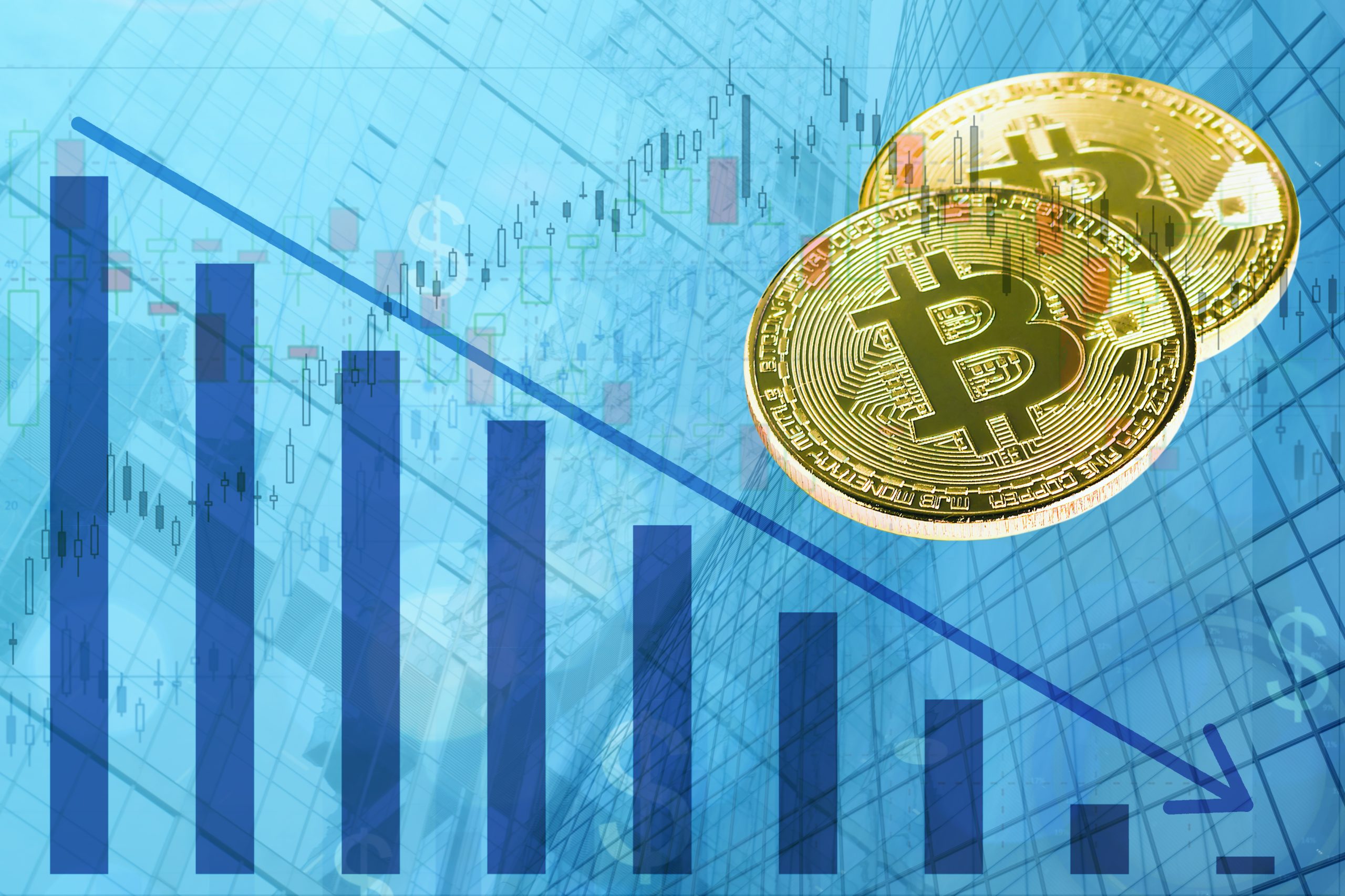
Cryptocurrencies are having a tough time as Bitcoin is down 5 percent this week. Market data shows the popular coin lost value over the last few days. Investors are watching their screens closely to see where the price goes next.
Why Is Bitcoin Down 5 Percent This Week?
The latest market numbers show that Bitcoin dropped 5 percent over the last seven days. Prices change all the time in the crypto market. When a big drop happens, many people start to talk about what is causing the shift.
Traders and holders deal with these drops often. The digital asset market moves fast every single day. A drop of this size is a clear sign that prices can go down just as fast as they go up.
What This Means for Ordinary People
If you own Bitcoin, seeing the price go down can be stressful. Everyday holders might feel worried about their money. It is a good reminder that crypto prices are never safe or steady.
New buyers should always be careful with their money. Prices can change in a very short time. Never spend money you cannot afford to lose on digital coins.
What Happened Before This Drop
Prices usually go up and down in a regular pattern. Before this drop, people were talking about how the market was moving. Every week brings new ups and downs for digital money.
Here are the key points from the recent market data:
- Bitcoin lost 5 percent of its value this week
- Market trackers reported the change recently
- Traders are watching the charts very closely
What to Watch Next in Crypto
You should keep an eye on the charts in the coming days. Watch to see if the price goes back up or drops more. Good information helps you stay calm when the market gets rough.
Check the news often to stay updated on crypto prices. Do not panic when you see red numbers on your screen. Smart choices come from watching the facts over time.
Bitcoin and Ethereum Hit Lowest Prices Since August After Drop

Bitcoin and Ethereum just hit their lowest prices since August. This big price drop happened after one billion dollars in liquidations hit the market.
Why Did Bitcoin and Ethereum Prices Drop?
The crypto market saw a massive wave of liquidations totaling one billion dollars. When this happens, exchanges close trades automatically because traders do not have enough money to keep them open. This rush to close trades pushes prices down very fast.
Both Bitcoin and Ethereum felt the pain of this huge market flush. Prices fell to levels not seen since the month of August. Traders and investors are now trying to figure out what comes next.
Where Is the Bottom for Bitcoin and Ethereum?
People who own coins are asking a big question right now. Where do analysts say they bottom? Finding the exact bottom is never easy in crypto markets.
Analysts look at charts and past price drops to find clues. They want to know when selling will stop and prices will stabilize. Until then, the market remains very nervous.
What This Means for Ordinary People
Big price drops can scare people who hold crypto in their digital wallets. Seeing values go down in just one day is hard for regular investors. It is a reminder that crypto markets change very fast.
Here are the main things to remember from this market drop:
- Bitcoin and Ethereum hit August lows
- One billion dollars in liquidations caused the drop
- Analysts are searching for the market bottom
What to Watch Next in the Crypto Market
Investors need to watch the charts closely over the next few days. More selling could push prices even lower if bad news keeps coming. Calm markets are needed before prices can go back up.
Keep an eye on what the experts say about the bottom. Knowing the market trends helps you make smart choices with your money. Stay calm and watch how prices move from here.
Bitcoin BTC Live Price News Chart and Price History

Yahoo Finance Canada has updated its live page for Bitcoin BTC. You can now check the current price, view live charts, and read the latest news in one place. It also lets you look back at past price changes to see how the market moved over time.
What is the Bitcoin BTC live price page on Yahoo Finance Canada
The Yahoo Finance Canada page tracks Bitcoin BTC live prices throughout the day. It offers a live chart that shows price ups and downs as they happen. Readers can use these tools to follow quick market changes without waiting for daily reports.
Along with live price tracking, the page brings together recent market news and historical charts. Looking at past chart data helps people see long-term trends for the top cryptocurrency asset. This makes it easier to understand how today's price fits into older market cycles.
How to read Bitcoin price history
Price history shows every major high and low the coin has hit since it launched. By checking the history of bitcoin, traders can spot patterns from past years. Understanding these older shifts gives helpful context when reading current news updates.
Many investors check history to see how the coin reacts to big economic events. Charts show how fast prices moved during past bull runs and sudden drops. Watching these past moments helps people make calmer choices when the market gets jumpy.
Why tracking live Bitcoin BTC market news matters
Crypto markets move very fast and never close. A single news update can change the live price in just a few minutes. Having real-time access to accurate charts helps everyday readers stay informed about their money.
Live tracking also helps buyers avoid making rash decisions based on old rumors. When you see real numbers update on a screen, you know what is actually happening right now. It removes the guesswork from following daily crypto updates.
What should you watch next on the Bitcoin charts
Readers should keep an eye on how the live price behaves near key chart levels. Watching daily trading volume alongside news reports gives a clearer picture of market strength. If sudden news breaks, the chart will usually react right away.
It is also smart to check historical support lines on the long-term charts. Comparing current price movements to older patterns can show if the market is stable. Staying updated through live pages helps you track every important move as it happens.
Binance Hack Shows Crypto Still Struggles With Hackers

A recent Binance hack shows that the digital asset industry still faces a hard fight against online thieves. News reports today confirm that bad actors continue to target even the biggest platforms in the market. Security teams must work around the clock to protect user funds as online criminals find new ways to break in.
What happened during the Binance hack?
News from Reuters revealed that attackers managed to hit Binance, showing how fragile online systems can still be. The incident reminds investors that no company is too large to face serious security problems. Criminals look for tiny weaknesses in code and systems every single day to steal digital money.
When an attack happens, companies quickly rush to stop the leak and check what went wrong. Users often panic because they do not know if their money is gone forever or if it is safe. Fast action from security teams helps, but it is clear that stopping these attacks remains an uphill battle across the whole sector.
Why is fighting crypto hackers so hard?
Crypto transactions move very fast and people cannot reverse them once they go through on the network. Once a thief gets their hands on digital coins, they can send them to private wallets across the globe in seconds. This makes it almost impossible for police or security experts to get the money back for victims.
There are a few key reasons why stopping these cyber attacks is such a tough challenge for platforms:
- Online thieves use new software tools that change faster than old security defenses.
- Blockchains run all day and night without breaks, giving workers no easy time to patch bugs.
- Stolen assets can move through mixing tools and private wallets to hide where they go.
These big problems mean that exchanges must spend millions of dollars every year on defense. Even with top engineers, a small mistake can open the front door to criminals.
How can crypto users protect their coins from hackers?
Regular people who hold digital coins should not rely only on exchange accounts to keep everything safe. When you leave your money on an exchange, you trust that company to guard it for you. Many people choose to store their coins on offline devices so that hackers cannot touch them over the internet.
Users must also turn on extra security steps like two-step login checks on their personal accounts. Using strong passwords that you do not share anywhere else cuts down your risks quite a bit. Taking these small personal steps keeps your assets safer, even when major platforms run into trouble.
What should we watch for next in crypto security?
Company leaders and government regulators will likely look very closely at this attack on Binance. Tougher rules may come soon to force all exchanges to carry better insurance and undergo strict safety tests. If platforms cannot stop these leaks, normal investors might lose faith and walk away from digital assets entirely.
Security teams will now review their firewalls and computer code to block copycat attacks from happening. The whole industry must share data about new threats to keep users safe from future raids. Until platforms solve these core flaws, keeping digital cash safe will remain a huge struggle for everyone.
Cilinix Crypto Community (WILL NOT MESSAGE YOU FIRST!)
Community Purpose and Origins
This Discord space operates as the official hub for followers of the Cilinix Crypto YouTube channel. When an online creator establishes a community hub, the tone usually reflects the video material. In this instance, the topic provided by the server owner centers around bot trading news. Rather than general chatter about every sector in finance, the space gathers people who pay close attention to automated execution, algorithmic tools, and market developments that affect crypto bots.
The server records 4576 members. At this size, the community sits in a middle tier. It is large enough to sustain steady conversation, but small enough that messages do not disappear instantly into a wall of text. For a directory reader assessing whether to join, this scale generally means you can observe interactions without feeling completely overwhelmed, while still finding participants who share an interest in automated software.
Understanding the Subject Matter: Bot Trading News
Bot trading covers automated strategies where software executes buy and sell orders based on rules, indicators, or code. The focus here is categorized specifically as bot trading news. This typically includes updates about trading platforms, API changes from major crypto exchanges, market condition shifts that impact automated systems, and performance observations shared across the broader tech ecosystem.
Trading with automated bots comes with distinct technical demands. Markets move quickly, and an algorithm that performs well in a trending market might fail when conditions turn sideways. News in this sector matters because software bugs, server latency, and exchange maintenance can alter the outcome of an automated setup just as easily as price movements. Having a dedicated space to track these changes helps participants monitor industry events.
Because the owner has not published a detailed, official syllabus of topics, outside observers must look at the stated category. The group exists to serve channel viewers who want to keep up with news surrounding automated crypto setups.
Activity Levels and Posting Frequency
The owner does not publish an exact posting timetable or an official schedule of announcements. In creator communities linked to video channels, posting patterns often coincide with content uploads. When a fresh video regarding automated software drops on the main channel, conversation within the associated rooms usually increases.
Outside of creator updates, member activity tends to be organic. Some days bring active debates on market volatility and bot reliability, while other days remain relatively quiet. If you are looking for a service with a strictly timed schedule of daily bulletins, keep in mind that such a calendar is not formally advertised here. The feed reflects open participation alongside channel updates rather than a regimented corporate newsroom.
The Safety Notice: Direct Messages and Scams
The name of the server contains an explicit warning: WILL NOT MESSAGE YOU FIRST! This detail deserves serious attention. Impersonation remains one of the most common threats in modern crypto channels. Scammers often copy the profile picture and username of channel owners, then reach out to community members privately to offer fake customer support, fraudulent investment pools, or malicious links.
By putting this notice directly in the server name, the administration highlights a zero contact policy through direct messages. If an account appearing to belong to the creator or an administrator sends you a private message on Discord, it is an impersonator attempting to compromise your funds or accounts. Real staff will not initiate private chats to ask for wallet keys, account credentials, or deposits. Keeping your account settings configured to block direct messages from server members is standard safety practice in any crypto space.
Who the Server Suits Best
This community fits several specific profiles:
- Active viewers of the Cilinix Crypto channel who want to discuss the concepts presented in the videos with other regular watchers.
- Traders who study automated systems and want to stay informed about industry news, platform changes, and technical developments affecting trading bots.
- People who appreciate mid sized groups where conversation remains focused on a specific niche rather than broad market gossip.
- Users who understand Discord security and prefer communities that openly acknowledge the presence of impersonators and advise caution.
Who Should Look Elsewhere
Certain expectations will not be met in this space:
- People looking for immediate trading signals. The subject is bot trading news, not a dedicated alert feed that tells users when to buy or sell.
- Beginners looking for guaranteed profits or fully passive wealth. No trading bot or software can eliminate market risk, and automated tools can lose capital rapidly during unusual volatility.
- Traders who focus strictly on manual chart drawing, meme coins, or traditional forex markets with no interest in automated code or channel related commentary.
- Users who need a private advisory service. The owner will not message you privately, and individual financial advice is not part of the platform offering.
Risk and Reality in Automated Trading
It is critical to approach any community centered on bot trading with realistic expectations. Software eliminates human hesitation, but it also executes mistakes at high speed if parameters are misconfigured. Algorithmic tools do not predict the future. They merely react to historical data or preset conditions. When unexpected market swings happen, bots can incur substantial drawdowns.
Participating in an open room allows you to observe what other traders are testing, but community chatter must never substitute for your own testing and personal risk limits. Never deploy capital into an automated script simply because it received positive mentions in an online channel. Treat the environment as a forum for news and observation, keep your personal security settings strict, and manage your trading decisions independently.
Questions people ask
What is the primary topic covered in this Discord server?
The community focuses on bot trading news and serves as the official discussion space for the Cilinix Crypto YouTube channel.
Will the server owner or moderators message me privately to help?
No. The server explicitly warns in its name that staff will not message you first. Any private message claiming to be from the creator is an impersonator.
How many members are in the community?
The server currently has 4576 members.
Does the server provide a fixed daily schedule for news updates?
No fixed posting schedule is published. The information flow follows channel activities and open member discussions.
4 Ways to Invest in Cryptocurrency Stocks Today
Britannica recently published a new guide that shows four distinct ways to invest in cryptocurrency stocks. This fresh guide helps everyday people gain exposure to the digital asset market through regular stock market accounts. Investors can now build their wealth using well-known trading platforms instead of risky unverified exchanges.
How Can You Invest in Cryptocurrency Stocks?
Many traditional investors want to join the digital currency movement without holding actual tokens. Learning how to invest in cryptocurrency stocks lets you use normal brokerage accounts that you already trust. This simple path protects your money with standard banking laws and simple tax forms.
Britannica outlines specific paths that range from direct company shares to broad market funds. You can choose to buy shares of businesses that hold coins on their balance sheets or firms that build blockchain hardware. These options allow everyone to pick a comfort level that matches their personal financial goals.
Why Crypto Stocks Are Popular for Mainstream Investors
Buying stock in public companies offers strong legal safety that direct coin purchases often lack. Public companies must share regular financial reports with government regulators every single quarter. This high level of transparency helps normal people make smart choices with their hard-earned money.
Investors also enjoy better protection against online theft and forgotten account passwords. If a stock brokerage firm faces troubles, government insurance often covers the funds of retail clients. This peace of mind makes stock investments much less stressful than managing private keys on personal computer hard drives.
Key Options Mentioned in the Britannica Guide
The new guide breaks down the best choices into clear groups for everyday readers. Understanding these main routes helps you pick the right asset for your personal trading portfolio.
- Direct Company Stock: Buying shares of firms that build mining gear or trade coins.
- Exchange Platforms: Investing in the public businesses that run major coin marketplaces.
- Holding Companies: Picking large corporations that keep huge digital reserves in their treasuries.
- Diversified Funds: Choosing index funds that bundle many different industry stocks together.
Each method offers a different mix of potential profit and market safety for your funds. Beginners can start with small amounts in general funds before picking single company shares. Taking time to learn these choices helps prevent costly mistakes during major market shifts.
What You Should Watch Next in the Market
Financial experts expect more traditional companies to join the digital asset space in the coming years. As regular banks start offering coin services, stock choices for everyday investors will keep growing rapidly. Keeping an eye on official educational updates will help you spot clean opportunities early.
Before putting your money into any new strategy, always check the background of the business you choose. Read basic financial news and make sure you do not spend money you might need for daily expenses soon. Watching these simple stock trends keeps your future savings safe and steady over long periods.